Fascinating and mysterious, the art of orange painting has captivated the attention of art lovers for centuries. Orange, with its richness and warmth, can transform an ordinary work into a captivating masterpiece. Renowned painters like Vincent Van Gogh and Claude Monet have used this hue to bring their canvases to life. However, mastering the art of orange painting requires a deep understanding of techniques and tips, which are often kept secret. It is an exploration that demands patience, practice, and passion.
The History of Orange Painting: A Tradition That Endures
In the artistic sphere, orange holds a prominent place. Understanding how to make orange is essential for mastering the techniques of orange painting. The secret mainly lies in the mixing of colors: a skillful marriage of red and yellow allows you to achieve this warm tone.
To learn how to make orange, start by pouring equal amounts of yellow and red paint onto your palette. Then, gently mix these two pigments until you achieve a uniform color. Feel free to adjust your proportions by adding more red or more yellow depending on the exact shade you are looking for.
After creating your custom shade of orange, consider playing with textures to bring your work to life. Brushes of various sizes will help you produce a range of visual effects from detailed strokes to blurred touches.
Another valuable tip when it comes to learning how to make orange is to layer different transparent coats as they dry to intensify depth and brightness – a true game that can drastically transform the finished painting!
And let’s not forget a key element when wondering how to make orange: the use of the right support! Whether it’s canvas or paper, each material absorbs color differently and will therefore affect its final rendering on the work.
Finally, always remember that regular practice is crucial when trying to grasp “how to make orange.” Only in this way can you gradually learn and improve your skills in this captivating art of orange painting. Once these techniques are mastered, let your imagination run wild as the possibilities are endless!
The Secrets of Orange Painting: Ancestral Techniques
In the fascinating world of artistic painting, orange occupies a prime spot. Learning the secrets to successfully paint with orange requires finesse and mastery of the right techniques. The main challenge lies in the subtle mixing of colors: the harmonious fusion of red and yellow allows you to achieve that vibrant hue known as orange.
To create your own orange, start by placing balanced amounts of yellow and red paint on your palette. Gently mix these two pigments until you achieve a uniform result. If necessary, adjust the proportions by adding more red or yellow according to the desired intensity.
Once you have created your custom shade of orange, we recommend exploring different textures to animate your works. Using varied brushes offers a wide range of visual effects from fine strokes to blurrier touches.
One of the essential tips when it comes to learning how to create an orange painting is to layer several transparent coats as they dry to intensify depth and brightness, a true game that can radically transform your final painting!
Let’s not forget the crucial influence of the support used when we seek to create a beautiful orange painting! Indeed, each material absorbs color differently, which will impact the final rendering of your work, whether it’s a canvas or paper.
Keep in mind that regular practice is crucial for mastering the complex art of orange painting. It is through diligent practice that you will gradually refine your skills in this captivating discipline. Once these techniques are assimilated, unleash your imagination, as the possibilities are endless!
Successfully painting with orange is not limited to just the mixing of colors. It also requires a subtle understanding of textures and supports used. With regular training and limitless creative exploration, you can create masterpieces that reflect all the vibrant beauty of this inspiring color known as orange.
Successfully Painting with Orange: Expert Tips
Orange painting offers multiple advantages that make it an appealing choice for artists. Its brightness and warm character bring a dynamism to compositions. Orange is also known for evoking positive emotions such as joy, enthusiasm, and creativity.
This vibrant color can be successfully used to create striking contrasts in your paintings. By combining orange with complementary shades like blue or purple, you can give your works a captivating visual dimension.
One of the main strengths of orange painting lies in its ability to embody various moods or atmospheres. With its shades ranging from yellow-orange to deep red-orange, it offers great versatility in terms of possible aesthetics.
Be sure to highlight some potential drawbacks related to the excessive use of this stimulating color. Indeed, the natural exuberance of orange can quickly overpower other elements of a composition if not used in moderation. The balance between colors must always be considered to avoid an overly dominating or unbalanced appearance.
Another major challenge related to orange painting is mastering the different shades available on the market. Each brand offers a varied palette ranging from bright orange to burnt orange and dark orange. Be sure to choose the shades that best match your artistic vision to achieve the desired results.
Orange painting offers numerous aesthetic and expressive advantages in your artistic creations. By using this color sparingly and mastering the specific techniques for its use, you can bring to life vibrant paintings that captivate the viewer’s gaze. However, be careful not to fall into excessive or unbalanced use that could compromise the quality of your final work. With a bit of experience and creative exploration, you will be able to fully leverage the potential offered by orange painting to create unique and fascinating pieces that will delight discerning art lovers.
Orange Painting: Advantages and Disadvantages of a Bold Color
The use of orange painting in your artistic creations requires a certain expertise and knowledge of specific techniques to achieve the best results. Here are some tips to help you master this vibrant color:
Prepare your canvas: Before applying the paint, ensure that your canvas is properly prepared. Apply a layer of white gesso to create a smooth and even surface that will enhance the nuances of orange.
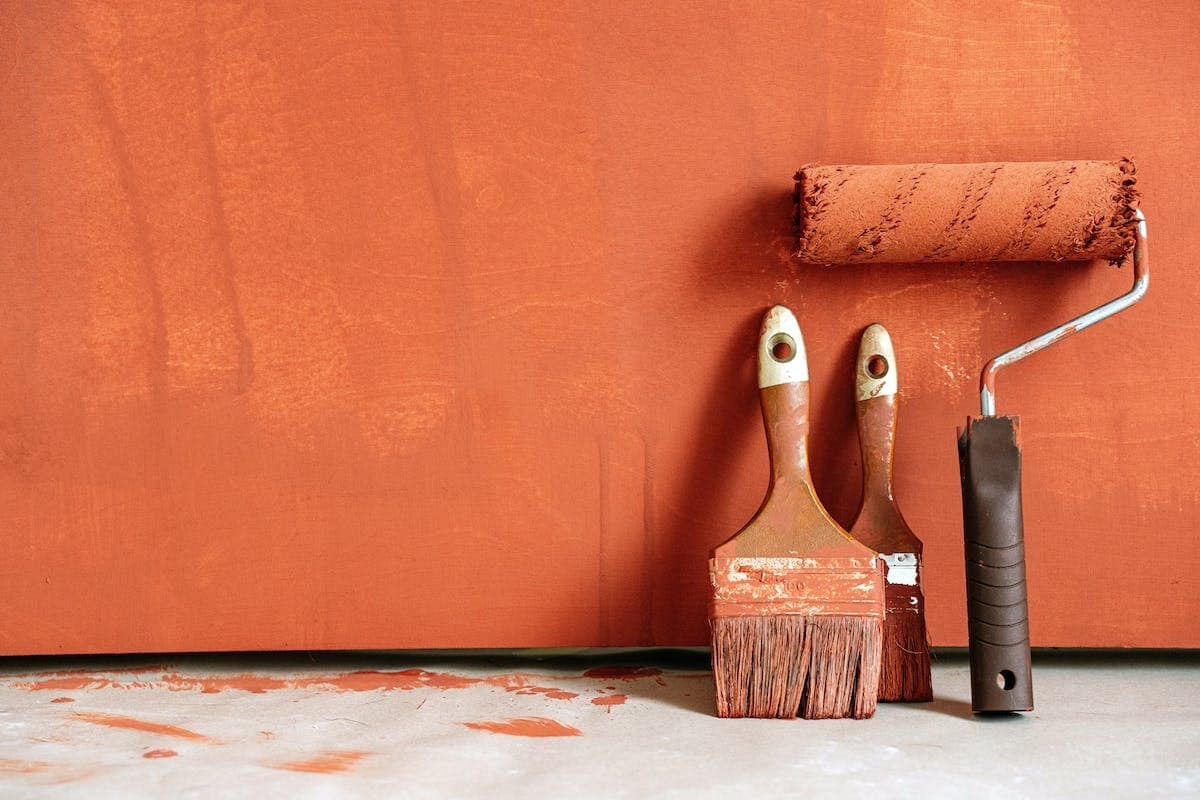
Choose the right brushes: Select brushes suitable for the technique you wish to use. Flat brushes are ideal for quickly covering large areas, while fine brushes allow for precise work on details.
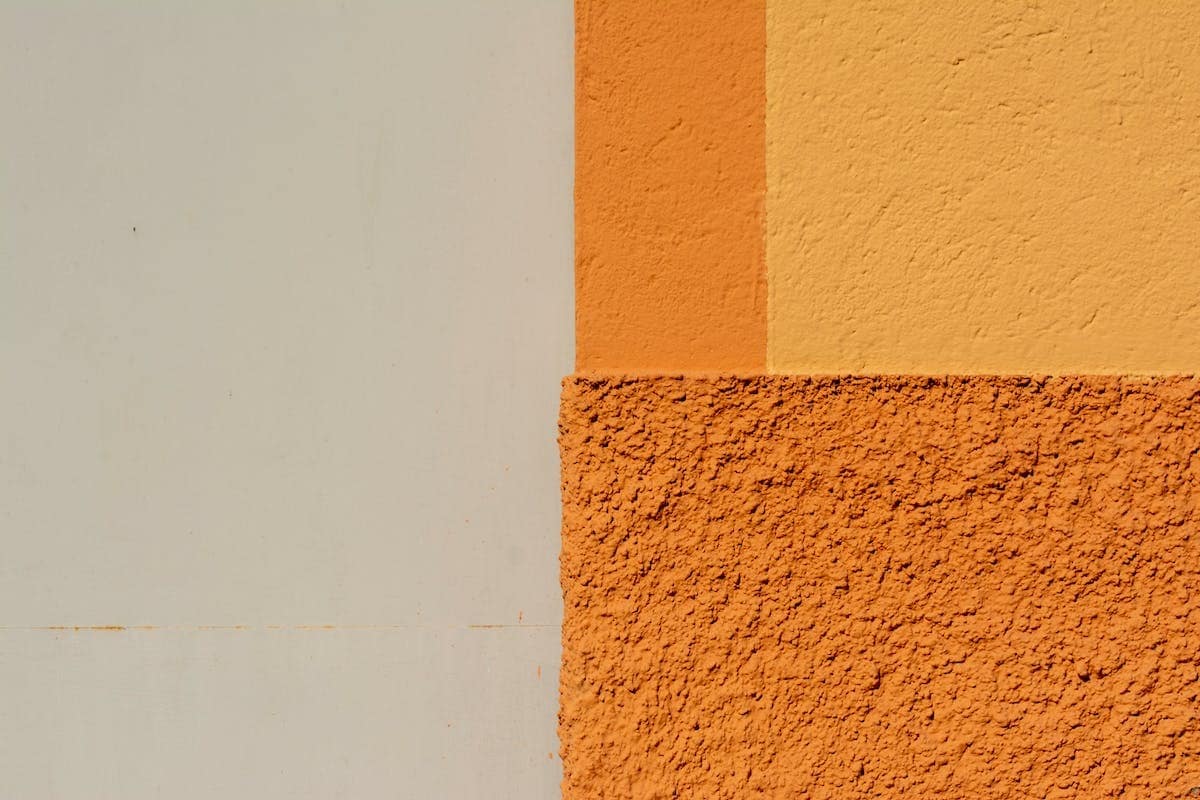
Experiment with different textures: Orange painting can be used to create interesting textured effects in your paintings. Use palette knives or other tools to add relief and character to your work.
Play with contrasts: Contrast is essential when using orange painting. Pair it with complementary shades like blue or purple to create a striking and dynamic visual effect.
Explore different tones of orange: There is a wide range of orange shades available on the market, from yellow-orange to deep red-orange and burnt orange. Don’t hesitate to experiment with these different tones to find the one that best matches your artistic vision.
Observe the light: Orange is a color that reacts differently to light depending on its intensity and saturation. Take the time to observe how the paint behaves under different light sources so you can adjust the shades accordingly.
Be patient: Working with orange painting can sometimes be tricky, as it tends to dry faster than other colors. Take your time and work in small strokes to avoid mistakes or unexpected mixes.
By following these simple yet effective tips, you will be able to master the use of orange painting in your artistic creations. Don’t hesitate to experiment and explore all its possibilities to create unique and captivating works that reflect your personal style and attract all eyes to them.