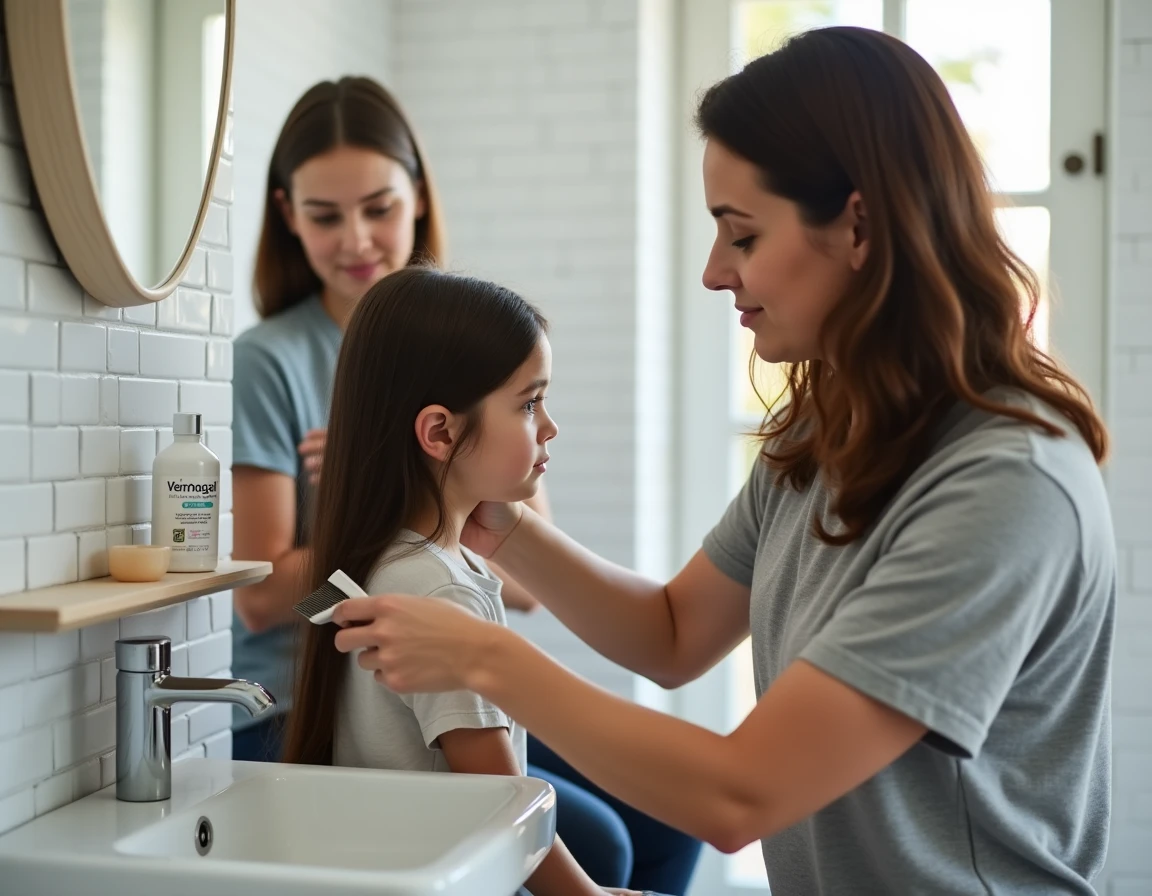
Vermogal contains two active ingredients: bioallethrin, a synthetic pyrethroid that paralyzes lice by disrupting their sodium channels, and benzododecinium bromide, a quaternary ammonium with surfactant properties. This duo targets adult parasites on the scalp.
Between the actual antiparasitic indication and the hair care uses relayed on social media, the protocols diverge widely. What results can be expected from Vermogal against lice, and by what criteria can its effectiveness be evaluated compared to current alternatives?
Vermogal and resistance to pyrethroids: a rarely mentioned parameter
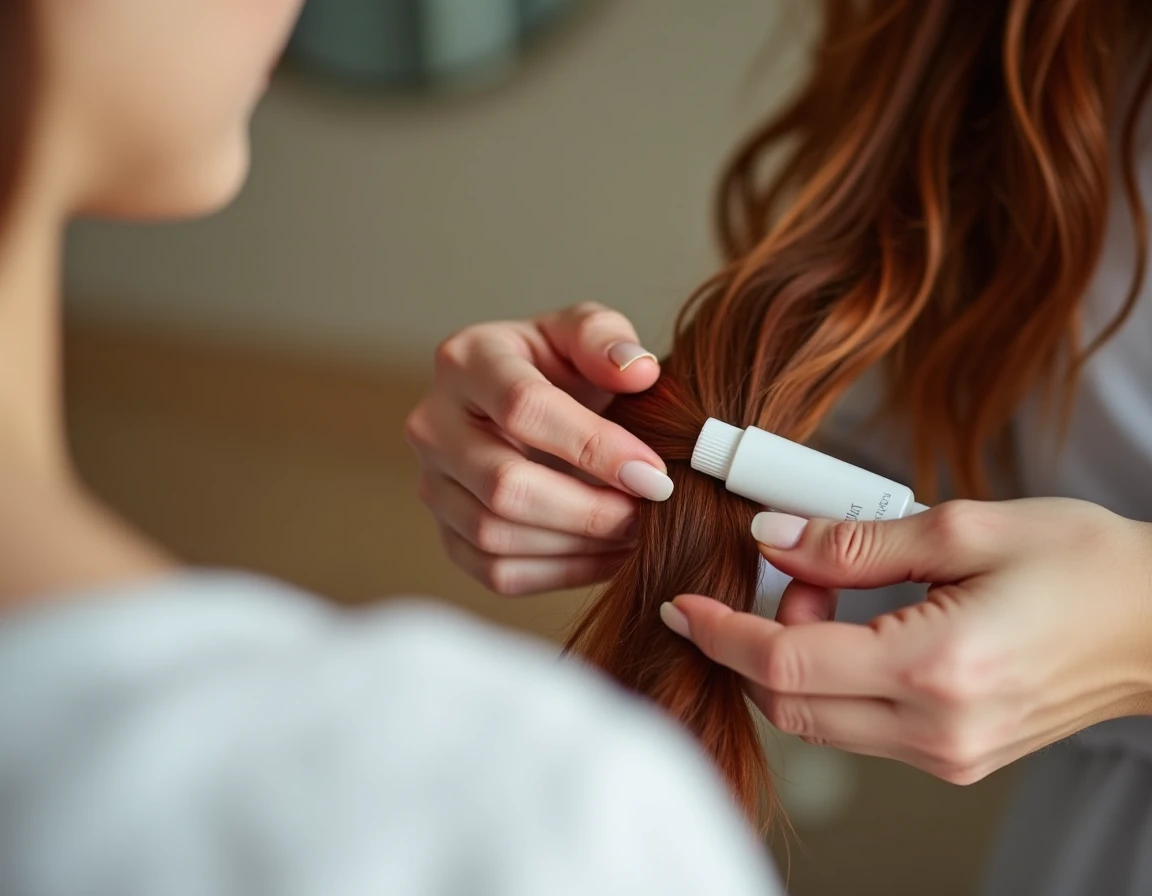
Bioallethrin belongs to the family of pyrethroids, synthetic derivatives of natural pyrethrins from chrysanthemums. Its mode of action is based on the disruption of voltage-dependent sodium channels in insects, causing nerve hyperexcitation and then paralysis. This mechanism is shared by the entire class.
The problem lies precisely there. Head lice repeatedly exposed to pyrethrins and pyrethroids develop a documented cross-resistance that has been noted for several years. This resistance, known as “kdr” (knockdown resistance), alters the structure of the sodium channel and makes the molecule less effective. Areas where pyrethrin-based treatments have been heavily used are the most affected.
For those wishing to use Vermogal against lice, this data changes the game: a product effective on sensitive lice may fail on a resistant population, without the user understanding why the treatment did not work.
A treatment that seems ineffective may simply result from reinfestation rather than resistance. Simultaneously treating all infested individuals in the same household remains essential to limit these recontaminations.
Vermogal versus dimethicone and physical treatments: a comparison of approaches

The market for lice treatments has shifted in recent years towards products with physical action (as opposed to chemical). The main reason: to circumvent the phenomenon of resistance to insecticides.
| Criterion | Vermogal (bioallethrin) | Dimethicone (silicone oil) |
|---|---|---|
| Mode of action | Chemical (neurotoxic to lice) | Physical (coats and suffocates the louse) |
| Risk of resistance | Documented cross-resistance in pyrethroids | No known resistance (mechanical action) |
| Target | Mainly adult lice | Adult lice and partially nits |
| Status in France | Not marketed in French pharmacies | Available without prescription |
| Supplement needed | Lice comb for nits | Lice comb for nits |
In France, lice medications based on insecticides are no longer marketed. Dimethicone, isopropyl myristate, coconut or paraffin oil, and oxyphthirine are now preferred. These products act by coating or dehydrating the parasite, making any biochemical resistance impossible.
Vermogal remains available in some countries, notably Morocco, where it circulates in tube gel form. Its use in France involves purchasing outside the traditional pharmaceutical circuit, raising questions about quality control and medical follow-up.
Application protocol for Vermogal on the scalp
User testimonials converge on a relatively simple protocol, although it is not included in an official French leaflet. Here are the most frequently reported steps:
- Place a small amount of gel in a container and dilute with a little water to achieve a homogeneous consistency
- Apply evenly to the roots and scalp, avoiding any contact with the eyes (irritating product)
- Leave on for at least two hours, with some users leaving it on overnight under a cap
- Rinse thoroughly, then use a fine-toothed comb strand by strand to remove the nits
The combing step remains a non-negotiable part. No lice treatment, chemical or physical, eliminates all nits. Viable eggs that remain attached to the hair shaft can hatch and restart the infestation within a few days.
Frequency and renewal of treatment
A second application is generally necessary one week after the first. This interval corresponds to the hatching cycle of surviving nits. Without this second application, the risk of reinfestation is high.
Some users report weekly applications over several weeks. This practice increases the exposure of the scalp to bioallethrin and benzododecinium bromide, two potentially irritating substances in case of prolonged use.
Vermogal for hair growth: what pharmacology says
On TikTok and Facebook, Vermogal is heavily promoted as a product that promotes hair growth, combats hair loss, and even treats dermatitis or scalp psoriasis. Testimonials mention “thickening” and “strengthening” of hair.
These uses do not correspond to any official indication published in drug databases. Bioallethrin is an insecticide, not a cosmetic or dermatological active ingredient. Benzododecinium bromide has antiseptic properties, but nothing in its pharmacology suggests an action on hair growth.
The gap between the documented antiparasitic use and the “beauty” promotion on social media exposes users to disappointments and scalp irritations without proven benefit. The feeling of “cleanliness” experienced after eliminating parasites or dandruff may be confused with an improvement in hair health.
The antiparasitic treatment remains the only use for which the composition of Vermogal presents a pharmacological rationale. For any other hair-related issue, actives specifically formulated for hair care offer a better-documented benefit/risk ratio. Before treating a persistent infestation, a careful examination of the scalp with a lice comb remains the most reliable gesture to confirm the presence of live lice and adapt the treatment accordingly.