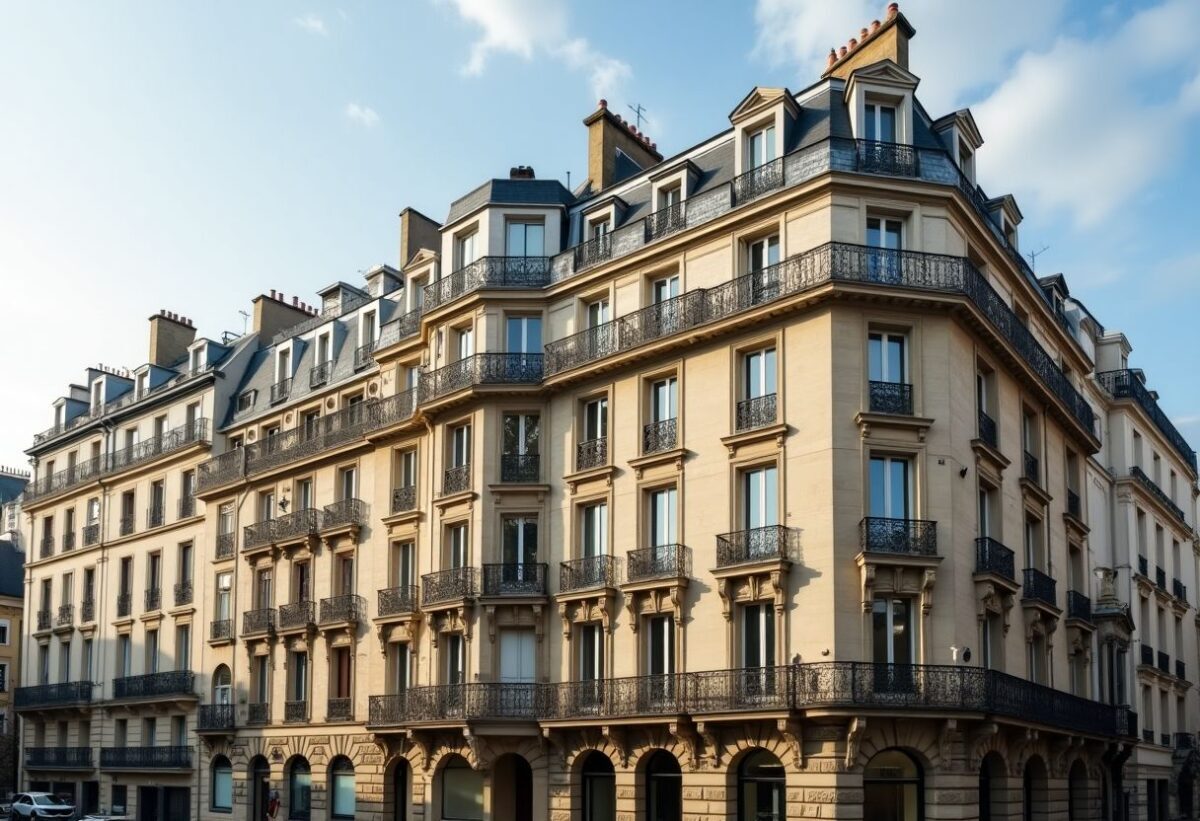
In the complex world of Parisian real estate, the property diagnosis plays a crucial role during the transaction of a property. Mandatory for all owners wishing to sell or rent their property, this process assesses the condition of the housing based on several criteria, ranging from energy performance to the presence of asbestos or lead. The French capital, with its old buildings and specific standards, imposes unique requirements regarding diagnostics.
Thus, understanding these particularities and preparing well can not only facilitate transactions but also ensure the safety and serenity of future residences.
The different types of mandatory diagnostics
Every real estate transaction in Paris requires a series of precise diagnostics. These examinations are not just a legal formality, but also an assurance for the buyer and the tenant.
- The energy performance diagnosis (DPE): It measures energy consumption and environmental impact. Essential for informing about energy costs, it is often decisive in the purchase decision.
- The lead exposure risk report (CREP): Mandatory for buildings constructed before 1949, it assesses the presence of lead, a harmful material, especially for young children.
- The asbestos diagnosis: For buildings constructed before 1997, this diagnosis detects the presence of asbestos, a dangerous substance for health, which is crucial for renovation.
- The state of risks and pollution (ERP): It informs about natural, mining, or technological risks, as well as soil pollution.
The legal and financial implications
The completion of property diagnostics is not just a legal obligation in Paris; it also has significant financial repercussions. Understanding these implications can make a difference during negotiations.
Compliance with legal obligations avoids criminal penalties while protecting sellers from potential lawsuits from buyers. In case of omission or falsification of a diagnosis, buyers can request a price reduction or even the cancellation of the sale. On the other hand, the results of diagnostics such as the DPE directly influence the property’s value. A well-rated property will sell faster and at a better price. Consequently, it is often wise for owners to invest in energy improvements before selling.
The Parisian specifics of property diagnosis
The French capital presents unique characteristics that influence the property diagnosis process. Certain elements specific to Paris require particular attention.
The numerous Haussmannian buildings, for example, demand meticulous expertise, especially regarding asbestos and lead. Furthermore, the dense urbanization and rich history of the city mean that risks related to soil pollution are more prevalent. Buyers should therefore ensure they obtain a complete Paris property diagnosis to avoid unpleasant surprises.
Local professionals generally have a better grasp of these specifics, making their choice essential for accurate and reliable results.
How to choose a diagnostician in Paris
The choice of the professional who will carry out the diagnosis is crucial to ensure the quality and reliability of the results. Here are some criteria for selecting the right diagnostician in the French capital.
- Accreditation: Ensure that the diagnostician has all the necessary certifications recognized by the French Accreditation Committee (COFRAC).
- Experience: A professional who knows the Parisian market and its specifics well will often provide a more tailored and precise service.
- Customer reviews: Check feedback from previous clients to assess the reliability and quality of the service offered.
- Prices: Compare several quotes to ensure that the price aligns with the quality of the services provided.