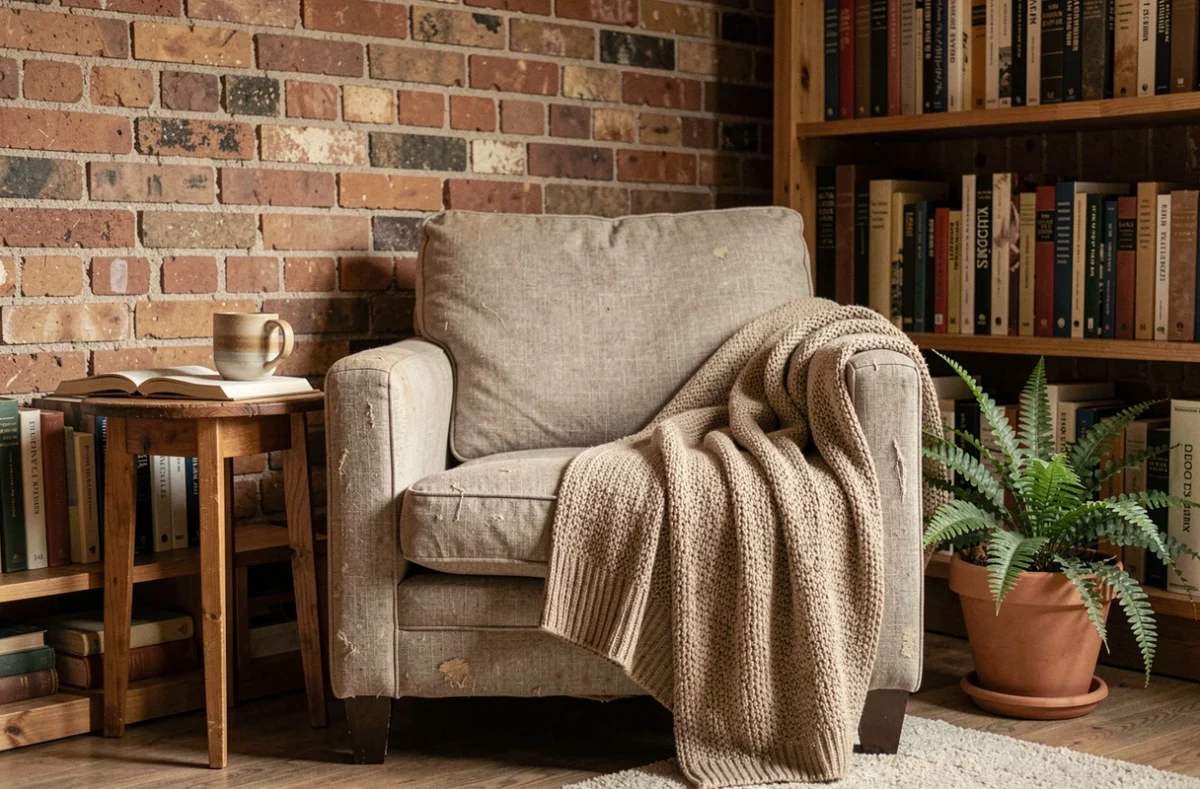
A warm, functional home is built on design choices that go beyond decoration. The real challenge is to create an interior whose layout, materials and features support everyday life as it is actually lived, including when occupants’ needs change over time.
Thermal comfort in summer and winter: the first step towards a functional home
Most advice on creating a warm home focuses on textiles, colours or furniture. But true indoor comfort starts with thermal performance, a factor that is rarely discussed from this perspective.
Summer comfort matters just as much as winter heating. A south-facing living room without solar protection can become unusable for several weeks of the year. External blinds, roof overhangs, ceiling fans or cross-ventilation can radically change how a living room or kitchen is used during hot weather.
A well-insulated home needs adequate air renewal. Ventilation is one of the factors considered under the regulatory requirements for energy renovation grants: a more airtight home without a suitable mechanical ventilation system can accumulate moisture and indoor pollutants. Before investing in decoration, check the condition of the ventilation system to protect air quality and the durability of materials.
The DPE, often reduced to a rating when a property is sold, includes a diagram of heat loss and recommendations for work on the building envelope and equipment. It is a comfort assessment tool worth consulting to prioritise practical improvements to a home before making any decorative purchases. Creating a truly comfortable interior starts there—and it is also reflected in the home at La Maison De Daniel, where every space is designed with everyday life in mind.

Adaptable design: anticipate changing needs without starting from scratch
A growing child, an older parent moving in for a few months, a temporary injury that limits mobility: occupants’ needs can change, sometimes suddenly. Designing an adaptable home avoids having to redo everything each time circumstances change.
Clear routes and doorway widths
Generous circulation space, doorways without thresholds and passage widths planned from the outset make it easier for everyone to get around. These choices add nothing to the cost of building or renovating, but make a considerable difference when a pushchair, temporary wheelchair or walking frame is needed.
Ground-floor living space and bedroom
Having at least one bedroom and a shower room that can be reached without using stairs makes it possible to stay at home during periods of reduced mobility. Falls among older people at home are a major public health issue in France: adapting your home in advance, rather than in a rush after an accident, is simply good planning.
Adjustable-height features
An adjustable kitchen worktop, a level-access shower instead of a bathtub, and electrical sockets positioned at an accessible height: these practical details make a space functional for occupants of different heights, ages and abilities.
- Discreet grab bars in the bathroom, useful at any age and easy to install on wall reinforcements planned during construction
- Motion-sensor lighting in hallways and staircases, which reduces the risk of falls at night and makes everyday life easier
- Storage positioned within easy reach, without the need for a step stool or excessive bending
Natural light and lighting: create the right atmosphere in every room
Light has a direct effect on how warm and comfortable an interior feels. Two factors matter: the amount of natural light and the quality of artificial lighting.
Orienting living spaces towards the south or south-west brings in more daylight in winter, when it is most needed. East-facing bedrooms catch the morning light without overheating in the afternoon. If the orientation cannot be changed, mirrors placed opposite windows or internal glass partitions can redirect light into darker areas.
For artificial lighting, layering three levels works in most rooms: general lighting (a ceiling light or pendant), task lighting (a desk lamp or spotlights beneath kitchen wall cabinets) and ambient lighting (a table lamp or understated string lights). Each layer can be switched on independently to suit the time of day.
Choosing warm-colour-temperature bulbs for the living room and bedrooms enhances the feeling of comfort. In the kitchen and work areas, a more neutral colour temperature makes detailed tasks easier.
Materials and furniture: choose for everyday life, not for the camera
A light linen sofa photographed in a magazine will not last three months in a home with children or pets. Materials and furniture are best chosen for how they will actually be used, rather than for appearance alone.
- Solid or veneered wood for tables and worktops: it develops a patina, can be sanded and refinished, unlike laminate, which chips with no easy way to repair it
- Removable, machine-washable covers for living-room seating—a more useful feature than a “stain-resistant” certification
- Tile or porcelain stoneware in high-traffic areas and the kitchen, paired with a removable rug for warmth underfoot
- Thick cotton or heavyweight linen curtains, which filter light, soften sound and are easy to wash
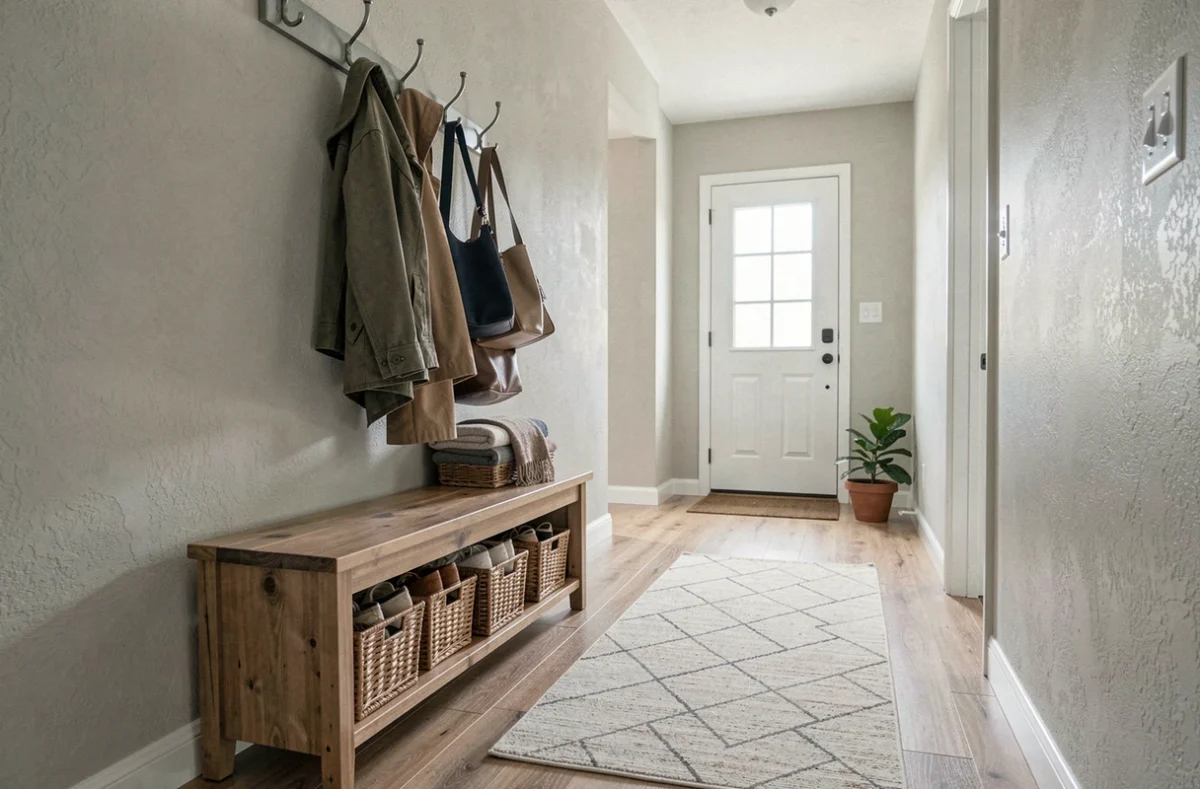
Multifunctional furniture frees up floor space without sacrificing comfort. An extendable table, a storage bench in the entrance or a bed with drawers can help address the space constraints found in most homes. Every piece of furniture should earn its place through everyday use.
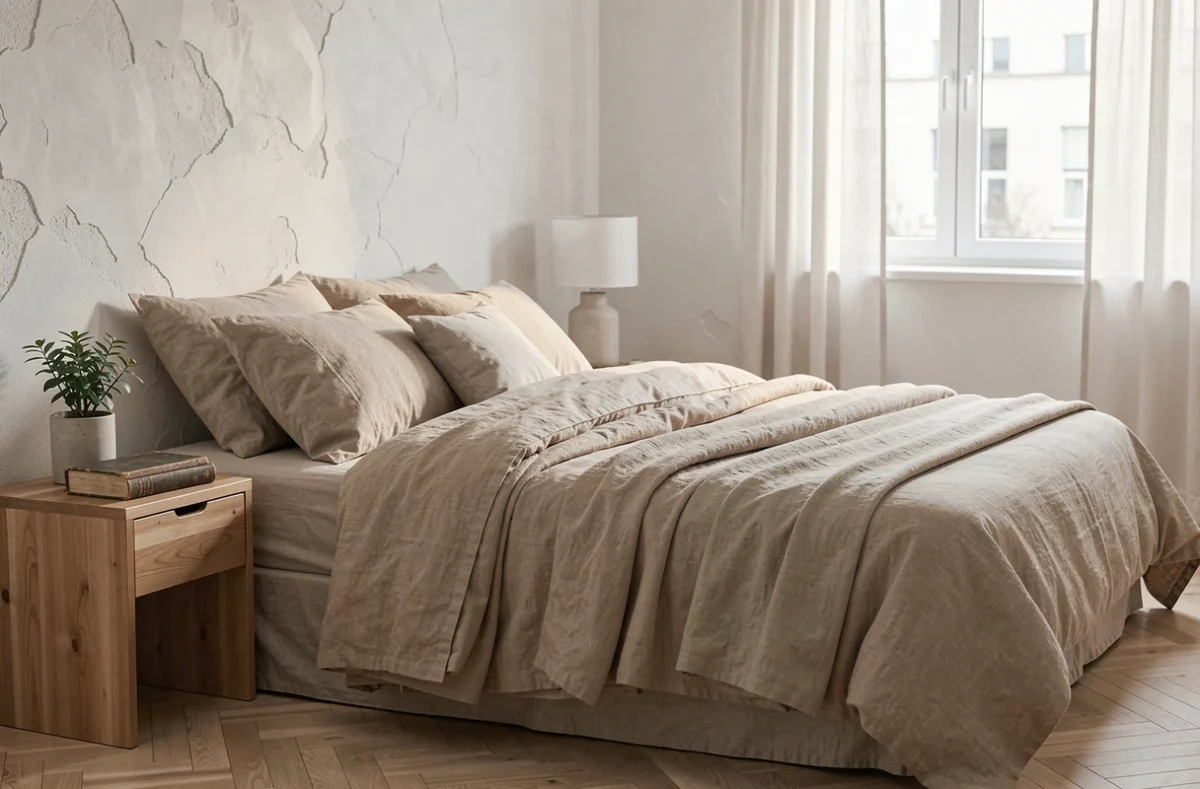
Creating a home that is both warm and functional is less about decorative style than about practical decisions: thermal performance, circulation designed for all ages, well-distributed light and durable materials. The most reliable test is to ask whether every room would still work well if one of its occupants were less physically able than they are today.