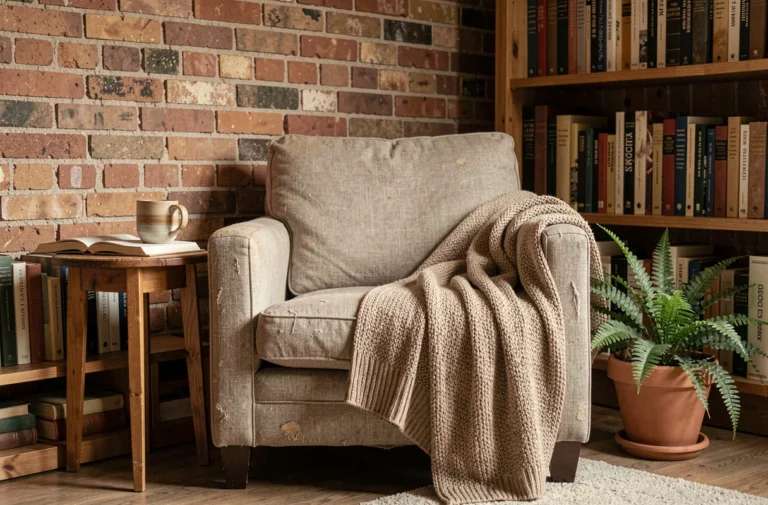
Repainting a wall stained by damp, putting attractive wallpaper on a poorly ventilated surface, piling cushions in a living room that smells musty: improving your home often starts with a decorating impulse. The problem is that décor cannot fix poor ventilation or inadequate insulation. A pleasant home rests on three distinct pillars: visual comfort, air quality and the building’s energy performance.
Indoor air quality: the essential first step that décor cannot replace
Have you ever noticed a lingering smell after laying new flooring or installing a piece of furniture made from particleboard? Some materials, textiles and cleaning products release volatile pollutants that degrade indoor air quality. According to an article published by Vidal on October 15, 2026, citing the OQEI’s final report, released in June 2025, some pollutants still exceed reference values in a number of French homes.
Indoor air quality depends on airing, mechanical ventilation, temperature and humidity levels. A cosmetic refresh can hide a problem without solving it. Before repainting or covering a stained surface, look for the cause: recurring condensation, a clogged mechanical ventilation system or a roof leak.
You’ll find plenty of home décor ideas and practical tips in the home section of 1 Blog 1 Jour, but the first useful step is to check that your ventilation is working properly. A simple test with a sheet of paper held in front of the extractor vent is enough: if the paper doesn’t stick, the airflow is insufficient.
Interior decorating and energy-efficient renovations: two budgets to keep separate
Home improvement projects often combine aesthetic ambitions with structural work. Replacing windows to let in more light, insulating a wall before decorating it, or swapping an old electric heater for a wood-burning stove: some projects are as much about compliance as appearance.
An article published by Le Monde on October 21, 2026, describes a shift in renovation subsidies, with conditions varying according to the type of work and the application route chosen. The rules change, and a subsidy available when you start researching may no longer be available when you sign the quote.
Energy-inefficient homes: a real regulatory constraint
Homes rated G on the energy performance certificate have been banned from the rental market since January 1, 2025. The ban is due to extend to homes rated F in 2028, then to homes rated E in 2034. For landlords, a decorating project without energy-efficiency upgrades is no longer enough.
Before hiring a contractor for subsidized work, check their credentials and the eligibility requirements. Access to some schemes depends on the company’s qualifications. When decorating on a budget, it helps to clearly separate décor purchases (paint, furniture, lighting) from subsidized work (insulation, heating, ventilation).
Living room décor ideas that don’t involve tearing everything apart
Once the essentials are in order (healthy air and a sound building), décor can really make a difference. Here are some ways to transform your living space without repainting every wall or replacing all your furniture.
- Focus on lighting rather than color. A dark living room always feels smaller. Add a mirror opposite the window, and replace a single ceiling light with two or three light sources at different heights (a table lamp, wall light or floor lamp). Adding multiple light sources makes the room look bigger.
- Keep furniture off the floor where possible. A wall-mounted TV unit or floating shelves open up the sightlines. Visible floor space creates a sense of openness, even in a small living room.
- Choose wood and natural materials. Wood, linen and terracotta add warmth without making the room feel cluttered. Sticking to one dominant material per room helps avoid a haphazard look.
- Group decorative objects in threes. A vase on its own can look forgotten. Five objects on a shelf can feel cluttered. Three items of different sizes create a balanced, cohesive display.

Common interior decorating mistakes
Hanging every picture at the same height can make a room feel like a hospital corridor. Vary the sizes and create an asymmetrical gallery wall around a central point at eye level.
Choosing a sofa that’s too large for the room is another common mistake. Measure the remaining walking space: a gap of less than 60 cm between pieces of furniture makes a room uncomfortable.
Practical tips for bathrooms and small spaces
Small rooms come with a host of challenges: humidity, limited storage and a lack of natural light. The bathroom is a perfect example of the connection between décor and ventilation.
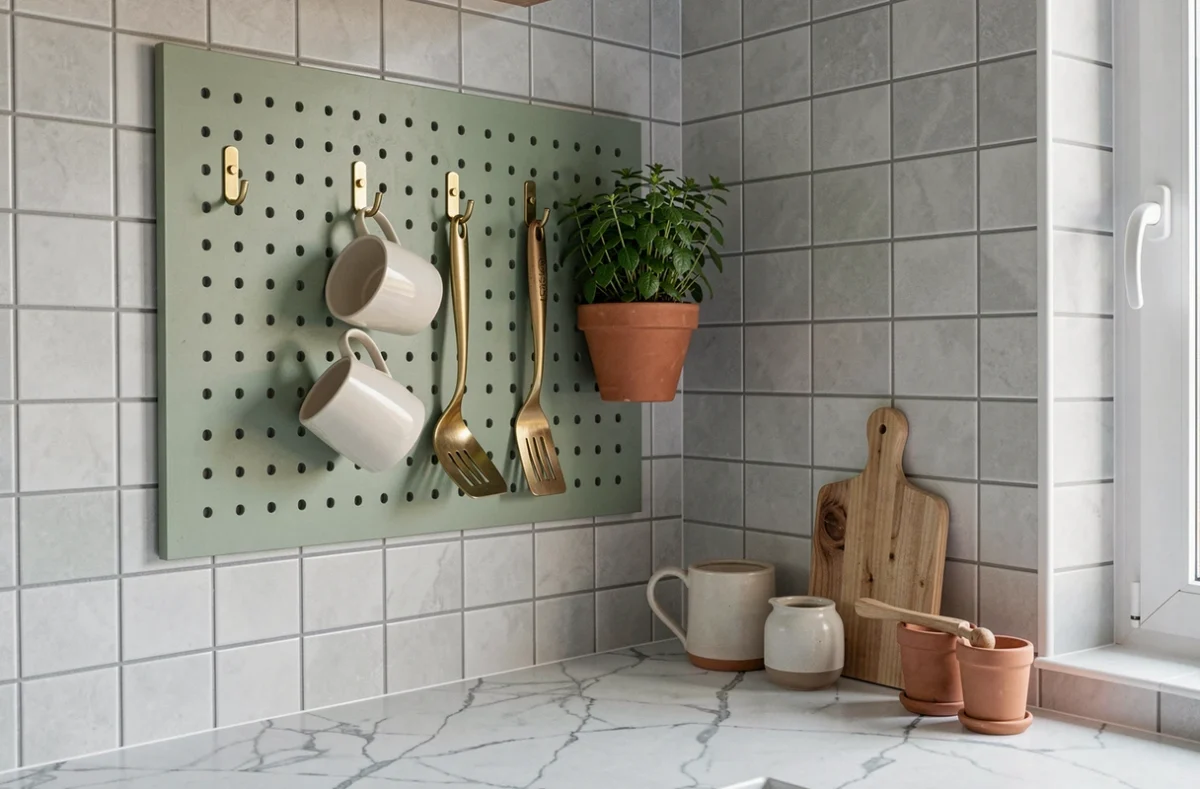
Light-colored wall tiles (off-white, beige or pale green) reflect light and make the space look bigger. Dark grout, on the other hand, emphasizes the lines and adds character. The right choice depends on the look you’re after.
Make use of vertical space for storage. Stackable baskets above the toilet, a narrow cabinet between the shower and sink, hooks behind the door: every unused vertical surface is a potential storage space.
In small spaces (entryways, hallways, studio apartments), a storage bench can serve as a seat, shoe cabinet and seasonal storage all in one. This type of multifunctional furniture helps avoid accumulating pieces that obstruct the walkway.
Home décor trends: what lasts and what fades
Style trends change quickly. Terrazzo was everywhere a few seasons ago; today, organic curves and terracotta shades dominate the magazines. Chasing every trend is expensive and can leave your home feeling incoherent.
A quality piece of solid wood furniture will outlast several trends. A sofa in a neutral color (gray, beige or midnight blue) will work with any seasonal cushions. Investing in key furniture and decorating with easy-to-replace accessories remains the most economical strategy.
Accessories (cushions, throws, vases and candles) let you follow a trend without making a long-term commitment. Change them twice a year to refresh the atmosphere without replacing your main furniture.
Improving your home day to day has less to do with your décor budget than with having a plan: check the air quality and the building first, choose durable furniture next, then adjust the atmosphere with details that are easy to replace. A well-ventilated, properly insulated wall deserves a beautiful coat of paint. The reverse rarely works.